Marvel Rivals Destruction: Recheck the Route When the Cover Changes
A broken structure can open a useful path and remove familiar protection. Treat environmental change as new information, then inspect the actual route instead of continuing a plan built for the previous scene.
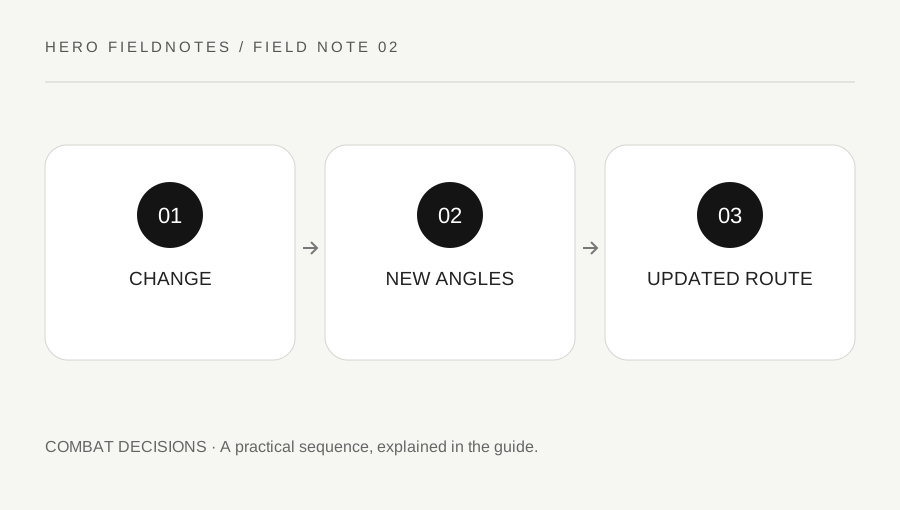
Original explanatory diagram. Examples illustrate a method or decision; they are not claims of personal testing.
Identify what actually changed
Describe the visible result: an opening appeared, a familiar cover object disappeared or rubble changed the route. Do not assume every part of a map can be destroyed or that all destruction produces the same tactical effect.
The developers explain that environmental destruction is designed into the maps to create pathways and cover without reducing every battlefield to empty space. Read that as a system context, not a promise about a specific wall. The current map and visible result determine what is available.
Keep the before-and-after difference clear in your call. “Opening on this side now” is more useful than a broad comment that the building is destroyed. Teammates need to know which angle or route changed for their own position.
Inspect the new sightlines
A new path can also create a new enemy view. Before crossing, check what can see the opening and where protection remains. A route that was safe behind a solid structure may now expose the same standing position.
Consider the team's support lines. A healer or ranged teammate may gain a useful connection, lose a protected perch or need to move to preserve the view. Destruction changes several roles at once, so avoid treating it as a private movement advantage for the first player who notices.
For a worked example, a destroyed section creates a shortcut toward the objective. The team inspects the far side and realizes it is visible from an opposing high angle. They choose supporting pressure or another route instead of assuming that the newly available path is automatically the best one.
Use a deliberate follow-up
If your team intentionally changes the environment, name the action the opening should support. A dramatic effect without readiness can reveal intent while leaving the squad unable to use the new space. Confirm who moves and who supports.
Use current hero descriptions and map behavior rather than an old destruction demonstration as a permanent lineup. Updates can change geometry and interactions. Practice one relevant location in a supported setting when available.
Keep an exit or fallback when the change removes protection. The same opening can be used by opponents after your first move. Do not treat created access as ownership of the route or assume that the team who broke the structure controls every angle through it.
Review the changed scene, not the old map memory
After the encounter, ask whether the team recognized the new geometry and updated its positions. A player caught in a newly exposed lane may need a map-state habit rather than another aim exercise.
Record the specific map area and change if it is useful for learning, while keeping the note dated. Do not publish a claim that every wall in a visual category behaves identically. A local verified interaction is enough for a practical route lesson.
Finish with three questions: what opened, what protection disappeared and who can use the new view? This keeps destruction connected to team decisions. The value lies in adapting to the actual battlefield rather than assuming that either the original route or the newest opening remains correct after the environment has changed.
After moving, check whether the new position still serves the objective. A dramatic escape can leave a hero alive but unable to support the next contest; call that limitation before teammates commit.
A practical checklist
Choices are saved in this browser. Reset them here or clear this site’s browser storage.
Questions that come up
Does a new opening automatically create a safe shortcut?
No. Inspect the far side and newly exposed angles before crossing.
Can every surface be assumed destructible?
No. Use the current map and supported interactions rather than a visual guess.
Does the team that creates an opening control it?
No. Opponents can also use the changed geometry. Keep observing after the first action.
References & scope
Background references checked on 18 October 2026. Worked examples and diagrams are original teaching material.