Objective Timing: Regroup, Contest and Win the Useful Fight
Objective games reward fights that happen at the right place and time. Marvel Rivals includes different objective formats, so read the active match display instead of applying one routine to every map. This original tactical guide focuses on timing decisions shared across ordinary team fights. It does not publish a permanent competitive rulebook. The exact contest, overtime and round conditions shown by the current game take priority over any general advice.
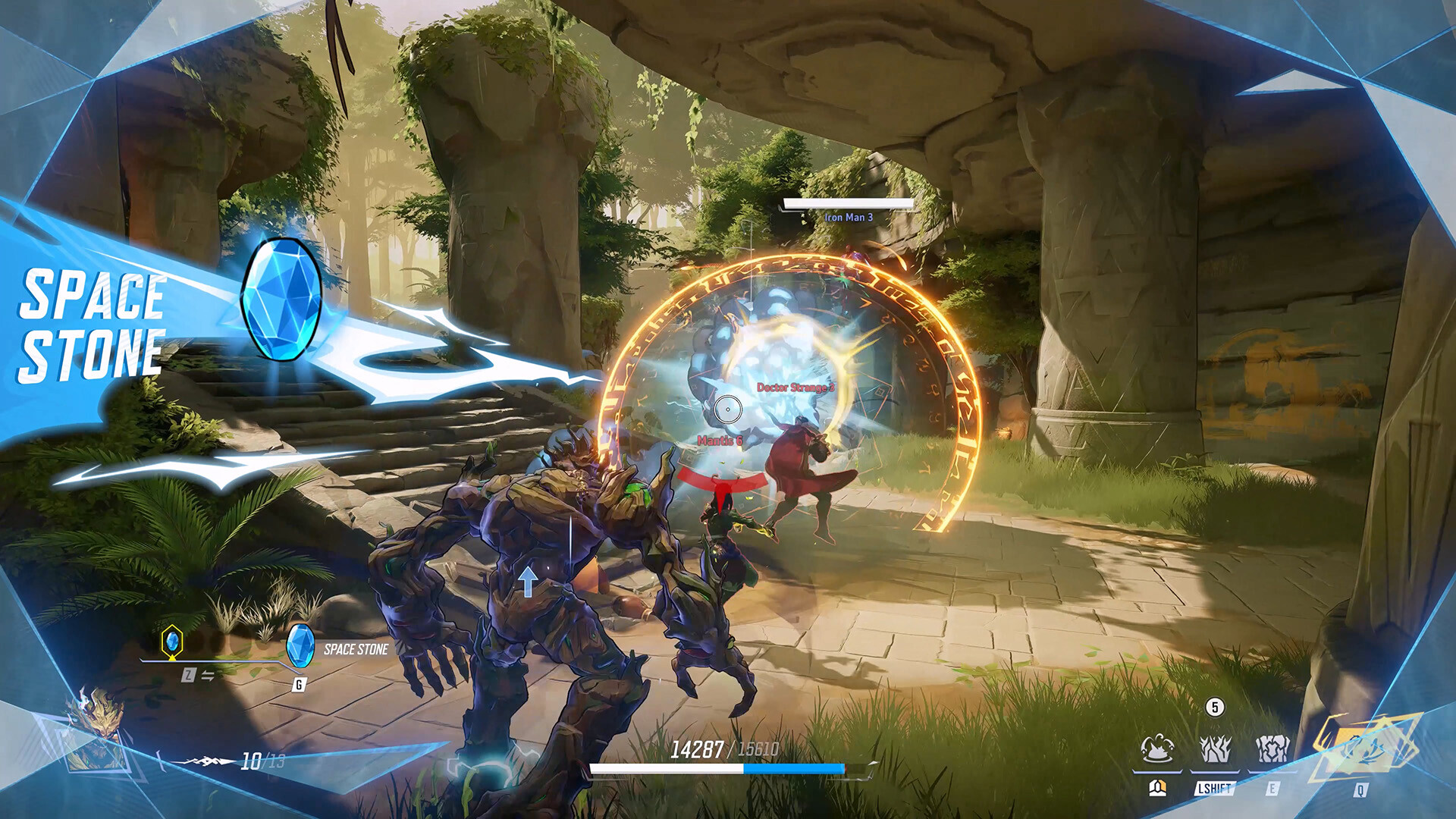
Official game screenshot · NetEase Games. Publisher-provided public store media used to illustrate independent editorial discussion. Copyright remains with the respective rights holders; no redistribution license is offered.
Read the actual win condition before moving
At the start of a round, identify whether your team must capture, escort, defend or control the active objective. Look at the time, progress and current objective location. A fight near a previous checkpoint may no longer affect the match. Similarly, winning a distant duel may have no value while opponents complete the objective. Build the habit of checking the display between engagements. Knowing what must happen next makes it easier to choose a route and recognize when an emergency response is real.
Distinguish a setup from an engagement
During setup, teammates move into cover, establish sight lines and recover important abilities. During engagement, several players can act on the same opportunity. Entering while your allies are still traveling turns setup into an unsupported fight. Use the setup period to identify an attack route and potential enemy angles. You can apply safe pressure without crossing the point of no return. Wait for a clear shared cue, such as teammates reaching the corner, before committing a movement or defensive resource.
Count useful participants rather than visible silhouettes
A teammate may be alive but too far away, recovering or blocked from the fight. Before committing, look for the players who can actually influence your next action. The same applies to opponents: an enemy retreating behind several corners may be temporarily unable to help. This creates a practical local advantage without requiring perfect knowledge of every cooldown. Do not turn a brief favorable situation into a delay while searching for a perfect plan. Act on observable access, then adjust as players arrive.
Stop a staggered return after a lost fight
A stagger happens when teammates return one at a time and are defeated before the group can re-form. If the fight is clearly lost and the objective is not at an immediate deciding moment, retreat or wait for allies. Choose a recognizable regroup location near useful cover. Do not stand in the same exposed doorway pretending to wait while still taking a full enemy team’s fire. A genuine reset restores players, resources and routes so the next engagement can be a team fight again.
Plan the contest before the final instant
If the objective is approaching a deciding state, identify who can reach it and how the rest of the team can help. A mobile teammate may be able to touch while others create pressure, but ability availability and current contest rules matter. Do not assume another player will do it. Equally, do not send every player through the same lethal approach if one contest plus supporting angles could create a better chance. The emergency plan should be simple enough to execute with the time remaining.
Named objective example: a Convoy approach
Official Marvel Rivals material distinguishes Convoy, Domination and Convergence, and official tournament references include Yggdrasill Path as a Convoy map. In a Convoy-style situation, ask whether the next fight should protect escort access or deny the next useful corner. After a win, check that the required progress action is happening before chasing opponents. Do not apply this escort routine unchanged to a Domination round. Read the active mode and objective display first, then choose positions that influence the current task rather than the last map’s familiar pattern.
Worked example: an escort defense loses the first corner
Suppose your team loses two players while defending a corner and the objective begins moving. The remaining players can retreat to a connected next position rather than taking separate last stands in the street. As defeated allies return, rebuild sight lines and select a new engagement point. This gives up some distance but creates another coordinated defense. If the objective is instead about to finish, the calculation changes: someone must satisfy the current contest condition while the others help make that contact survivable.
Convert a won fight into preparation
After opponents retreat or are eliminated, check the objective first. Make sure the necessary capture or escort action is happening. Then establish useful positions for their return rather than chasing to the far edge of the map. Keep support access and a route back to the objective. A won fight is a window for progress and setup; spending it on disconnected pursuits can allow the enemy to return as a group while your own team is scattered.
Review one timing error per match
Choose a decisive engagement and ask whether your team was assembled, whether the objective required immediate action and whether your route still allowed help. Avoid explaining every defeat as insufficient damage. A strong kit used before allies arrive can have less impact than ordinary abilities used together. Your next goal might be regrouping after each clear loss or checking objective progress before taking a flank. Small timing habits create repeatable opportunities without requiring constant voice communication.
Your working checklist
Checkmarks stay in this browser when storage is available. They do not alter your game or connect to your account.
Put it into practice
- Read the current objective, time and progress. Identify a setup position and the next place your team must influence.
- Before engaging, check which teammates can actually act. Commit when the group has useful access rather than merely when several portraits are alive.
- After a lost fight, reset at connected cover unless an immediate contest is required. Name a reachable contest player and supporting action when time is critical.
- After a win, secure progress and prepare for the next return. Review one fight for timing and route decisions rather than only the final elimination count.
Before you finish
- I know the next objective condition.
- Our setup position supports several teammates.
- The contest plan has a specific actor and route.
Common questions
Should I always regroup even if the objective is being lost?
No. Check the remaining time and deciding condition. A coordinated reset is valuable only if another useful fight remains. When immediate contact is required, make the best reachable contest and support it.
Why does my team lose after winning a fight?
Possible causes include nobody completing the objective, overextending on a chase or failing to prepare for returning opponents. Review the actions immediately after the win rather than assuming the earlier fight was meaningless.
Can I coordinate without voice chat?
Yes. Use clear pings, visible positioning and short respectful messages when appropriate. A simple shared location and timing cue is often more useful than a long explanation delivered while everyone is already fighting.