A Practical Marvel Rivals Training Routine: Controls, Aim and Review
A productive practice session answers a question you noticed in real play. It does not require copying a professional player’s sensitivity or changing every setting after a defeat. This original routine separates comfortable controls, basic execution and match decisions. Menu names and available options can change across platforms and updates, so use the current client and your actual input device. No setting in this guide promises an automatic rank increase.
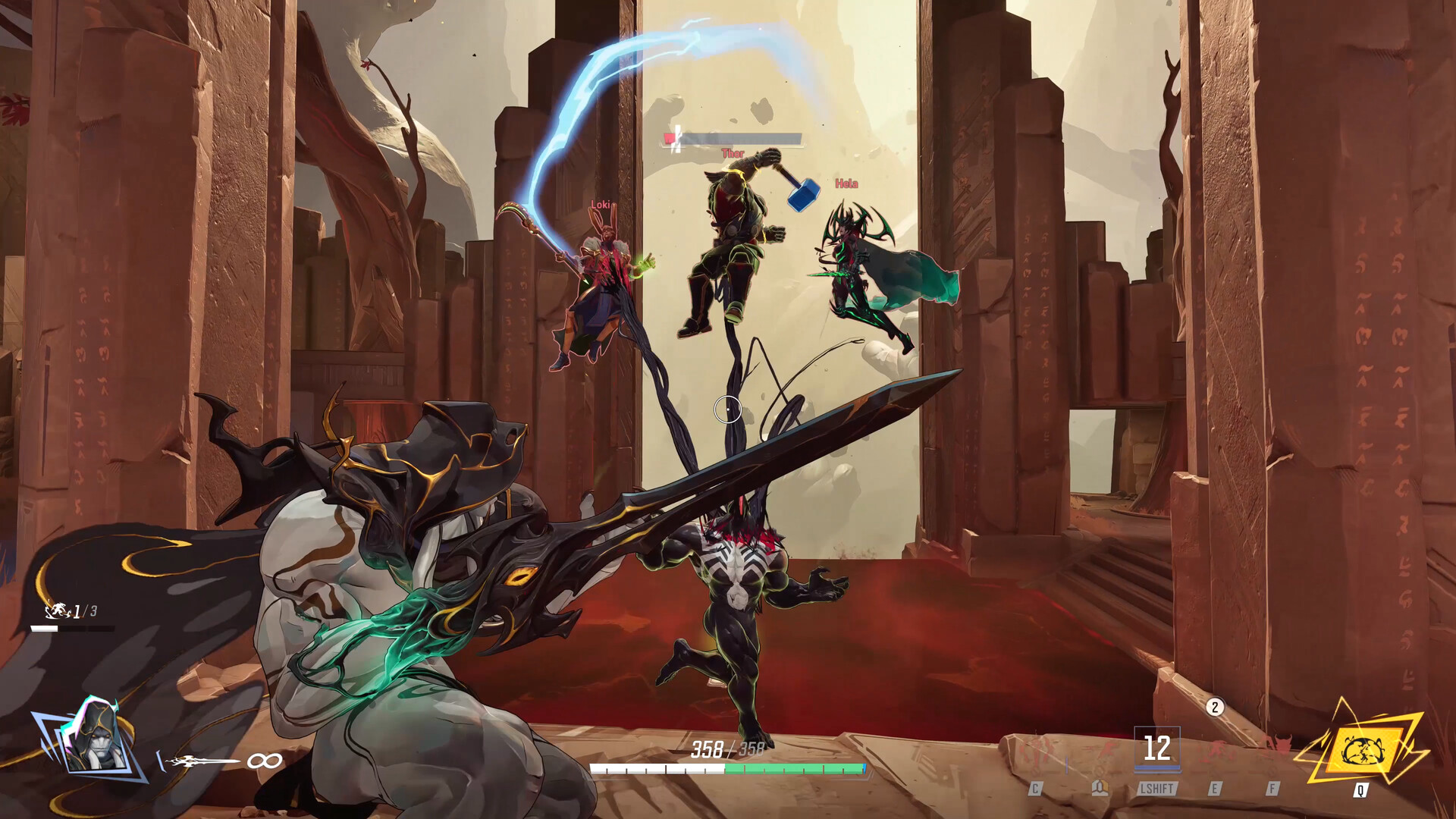
Official game screenshot · NetEase Games. Publisher-provided public store media used to illustrate independent editorial discussion. Copyright remains with the respective rights holders; no redistribution license is offered.
Create a readable and comfortable baseline
Start with settings that let you recognize targets, objective information and important ability indicators. Keep text and interface elements readable at your normal viewing distance. Check audio and visual cues together; do not depend on one cue you cannot reliably perceive. Change only one important setting at a time and record the previous value so you can revert. The first goal is a stable baseline where you understand what appears on screen, not a screenshot of someone else’s configuration.
Test movement and ordinary camera control
In a practice area, move between cover points, turn toward a new direction and return to your original target. Notice whether you repeatedly overshoot or cannot turn comfortably. Adjust within your device’s supported settings, then repeat the same simple movement. Do not evaluate a sensitivity change through one lucky elimination. It should feel manageable across ordinary tracking, turning and repositioning. Allow time to adapt before changing again, unless the setting is clearly uncomfortable or prevents basic control.
Match the aim drill to the attack
A projectile, a continuous attack and a single precise shot can require different habits. Read the current normal attack description, then practice at a useful distance. Begin with deliberate accurate actions before adding movement. When you miss, identify whether the problem was crosshair placement, target movement, distance or firing rhythm. Randomly shooting everything in the practice area can warm your hands but gives little information about the specific mistake you want to fix.
Practice one ability sequence with an exit
Choose a normal combat sequence that uses a useful ability and leaves a way to disengage. Perform it from cover, move into the action and return to safety. Avoid practicing only a maximum-damage sequence that spends every defensive option. In matches, the target may survive or another opponent may arrive. The exercise should teach what to do after the first attack, including how to stop. A repeatable safe sequence is often more valuable to a beginner than an impressive all-in combination.
Bring one learning goal into ordinary matches
Pick a goal you can observe without recording every moment, such as checking the objective before flanking or retaining one escape option. Keep playing the actual match rather than ignoring teammates to complete a drill. After each fight, make a quick mental note when the relevant situation occurs. If the goal never appears, choose a more common decision for the next session. A manageable focus makes improvement visible while allowing enough attention for the rest of the game.
Named attack exercise: Nightsword Thorn and Adjudication
Hela’s Nightsword Thorn and The Punisher’s Adjudication are both named in the official balance reference, but their current handling should be learned separately. Choose one hero, read the attack and practice from a manageable distance before adding movement. Do not alternate heroes after every missed shot and call the sensitivity comparison complete. Keep the same ordinary task long enough to notice camera control and crosshair placement. Then bring the chosen attack into a covered match position, where target selection and timing add the context a practice target cannot supply.
Worked example: repeated aim changes hide a positioning issue
Imagine a player changes sensitivity after every loss because opponents seem impossible to hit. On review, many shots begin while the player is crossing open ground and reacting to several angles. Keep a comfortable baseline and first practice attacking from cover with one visible threat. If control still feels consistently unsuitable in that simpler situation, adjust it. This separates an input problem from a decision problem and prevents the settings menu from becoming the default explanation for every difficult fight.
Use replay or notes to find the first recoverable mistake
Where the current client provides a review feature, inspect a short relevant sequence rather than rewatching an entire match without a question. Otherwise, write the situation immediately afterward. Identify the first moment you could choose another route, preserve an ability or wait for an ally. The final missed shot may be less important than entering with no escape. Turn the observation into a small drill or a clear match cue that can be tested in the next session.
End with a small comparison and a break
Repeat the opening drill and compare comfort or consistency, not an invented performance score. Record the setting you kept, the skill practiced and one next question. Stop when fatigue makes the exercise careless; more repetition is not automatically better practice. If your hands or eyes become uncomfortable, pause and adjust your setup appropriately. Sustainable practice leaves you able to recognize mistakes and make decisions, rather than continuing simply because a timer or rank goal says the session must be longer.
Your working checklist
Checkmarks stay in this browser when storage is available. They do not alter your game or connect to your account.
Put it into practice
- Save a comfortable baseline and test one setting at a time using a repeatable movement and aiming sequence on your actual device.
- Choose one common attack pattern and one ability sequence that preserves an exit. Practice deliberately before increasing movement or complexity.
- Play ordinary matches with a single observable decision goal. Keep helping the team rather than forcing situations just to satisfy the exercise.
- Review a short mistake, convert it into a specific next drill and repeat the opening comparison. Record useful changes and stop when fatigue reduces attention.
Before you finish
- I can restore the previous setting.
- My drill addresses a recurring match problem.
- I review decisions before blaming input configuration.
Common questions
Should I copy a top player’s settings exactly?
You can examine them as a reference, but device, viewing setup and personal control differ. Test a comfortable baseline yourself and change one variable at a time so you understand what helps.
How long should I warm up?
Use enough focused practice to feel comfortable and answer the chosen question. This guide does not prescribe a universal duration. A short deliberate routine can be more useful than a long session of unfocused repetition.
What if I improve in practice but still struggle in matches?
Add the missing context gradually: movement, cover, teammate timing and target choice. A practice target does not recreate pressure from several opponents. Keep the mechanical drill, then train the decision that lets you use it safely.