Duelist Target Priority: Turn Damage into Objective Progress
Useful damage changes what the opposing team can do. It may force someone away, prevent an approach or finish a vulnerable target during a coordinated attack. This guide gives Duelists a repeatable target-selection process rather than a universal hero ranking. Current weapon behavior and ability text matter. The tactical examples are original teaching situations, not recorded match results or promises about how quickly any hero can eliminate another.
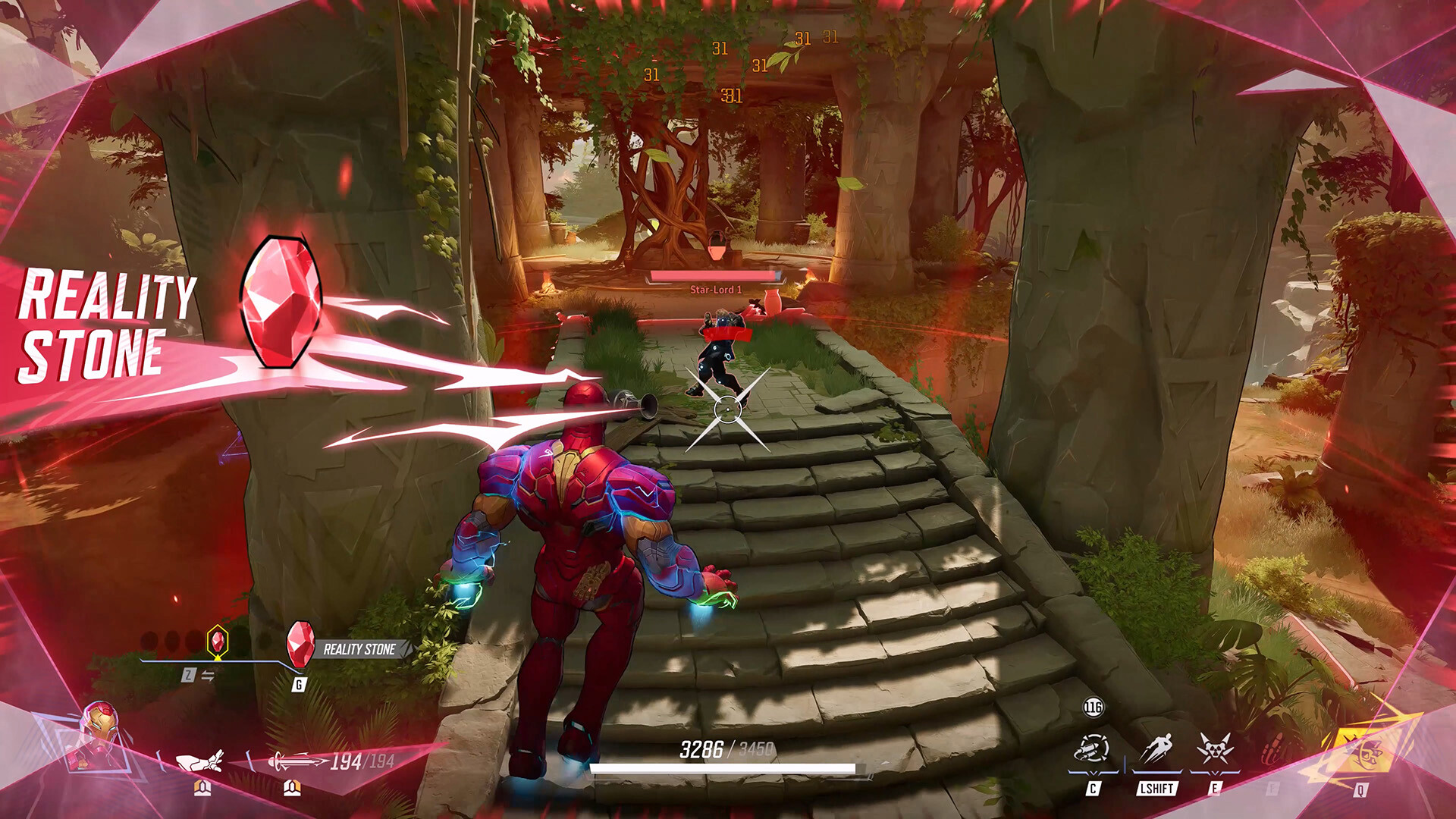
Official game screenshot · NetEase Games. Publisher-provided public store media used to illustrate independent editorial discussion. Copyright remains with the respective rights holders; no redistribution license is offered.
Separate available targets from valuable targets
The closest visible opponent is an available target, but attacking them is not always the most useful choice. Ask which opponent is exposed, threatening your team or essential to the immediate fight. Also ask whether you can reach them safely. A valuable but unreachable target can waste more time than a modest, achievable opportunity. Your first target selection should combine value and access. Reconsider it when the opponent moves behind cover, receives protection or no longer affects the objective.
Choose an angle your team can support
A short side angle can force an opponent to consider two directions without disconnecting you completely. Identify where you will return if attention turns toward you. Avoid a long flank that arrives after your team has already lost the fight. The angle should let you threaten a useful target while teammates apply pressure from another direction. If no one is engaging yet, wait behind cover rather than revealing the route early and allowing opponents to prepare for your arrival.
Check defensive resources before committing
Watch for an opponent using a movement, protection or other survival tool. Your opportunity may improve after it is spent, but do not invent an exact timer from memory. Compare what you can observe with your own remaining exit. If you must use every movement option just to reach the target, you may have no answer when they escape or their teammate turns. Commit when the target, route and timing align, not merely because your strongest ability is ready.
Focus pressure with a simple shared cue
Use a clear ping or short description to identify a reachable opponent. A location and recognizable hero are more actionable than shouting that everyone should focus damage. Teammates still need a usable angle, so do not demand an impossible target behind several walls. If your team begins pressuring a different achievable threat, joining that pressure can be better than insisting on your first choice. Coordinated ordinary attacks often create a cleaner opening than several separate attempts at spectacular solo plays.
Know when shooting the frontline is useful
It is not automatically wrong to attack a Vanguard. Pressure may force the frontline to retreat, spend protection or release a doorway your team needs. The question is whether that pressure produces a change. If the opponent comfortably recovers while your own team loses access elsewhere, look for a new angle or threat. Use the frontline exchange to gather information. When a vulnerable opponent appears, be ready to transfer attention rather than continuing to attack the same durable target out of habit.
The Punisher example: Adjudication from a short side angle
The Punisher’s Adjudication appears in the official weapon balance notes. A practical exercise is to use it from one nearby side angle while teammates pressure the main approach. Identify a target you can actually see, retain a return to friendly cover and stop chasing when that target leaves the useful fight. The exercise is about angle and timing, not a fixed damage or elimination promise. Read the current attack and other ability descriptions so the route uses tools you understand rather than a remembered historical stat table.
Worked example: a low opponent escapes beyond a doorway
Imagine you damage an opponent who retreats around a distant corner. Following would require leaving your team and crossing an unobserved route. Stop and check the objective. If your pressure has already removed that opponent from the active fight, use the temporary advantage to help your team move or defeat a connected threat. Chasing could reverse that advantage by removing you as well. An elimination is useful when it supports the fight; forcing a retreat can already accomplish that purpose.
Recover when the flank is discovered
When opponents turn toward you, use your planned exit rather than improvising deeper into their side. If the route is blocked, favor the nearest position your team can influence. After returning, wait for your important resource to recover before repeating the same attempt. A discovered flank is information: the enemy may now be watching that route. Change timing or angle instead of assuming persistence will make the next entry invisible. If a teammate needs protection, help with that immediate fight first.
Evaluate the effect of your pressure
Review whether damage forced a useful retreat, created an elimination your team could follow or prevented an enemy from performing an important action. Also mark time spent chasing outside the fight. High damage can coexist with poor target selection if it never changes positions or objectives. Set a focused learning goal such as retaining an exit on every side-angle attempt. Consistent pressure depends on surviving long enough to create repeated opportunities, rather than relying on one risky all-or-nothing engagement.
Your working checklist
Checkmarks stay in this browser when storage is available. They do not alter your game or connect to your account.
Put it into practice
- Identify a valuable target you can actually reach, then find a short attack angle with cover and an exit connected to teammates.
- Observe the target’s visible protection or movement use. Begin pressure when your team can also act, rather than announcing the flank too early.
- Use a simple target cue and reassess when the target becomes protected or retreats. Convert forced retreats into objective access instead of automatic chases.
- Return before your exit disappears. Review what the damage changed in the fight and select one timing or angle improvement for the next attempt.
Before you finish
- The target is reachable without sacrificing my only exit.
- My timing overlaps a real friendly engagement.
- I can explain how the pressure helps the objective.
Common questions
Should I always attack Strategists first?
An exposed Strategist can be valuable, but a protected one may be unreachable. Deal with an immediate nearby threat or create a better angle instead of repeatedly diving into a position you cannot leave.
Does getting the most eliminations prove my target choices were best?
It is one piece of information. Check when those eliminations occurred and whether your team could use them. A late chase after losing the objective can look successful on a scoreboard while contributing little to the round.
What should I do if I cannot win a direct duel?
Change the conditions: use cover, synchronize with a teammate or choose another reachable threat. Repeating the same isolated duel is not a requirement of playing Duelist and may be exactly what the opponent wants.