Ultimate Management: Spend a Powerful Ability for a Clear Result
An ultimate is a resource for changing a fight, not a command to press a button as soon as the meter fills. Its value depends on timing, access and what teammates can do afterward. This guide provides original decision rules and review exercises. Marvel Rivals changes energy generation and individual abilities through patches; current client descriptions and official updates override remembered costs, interactions or old videos.
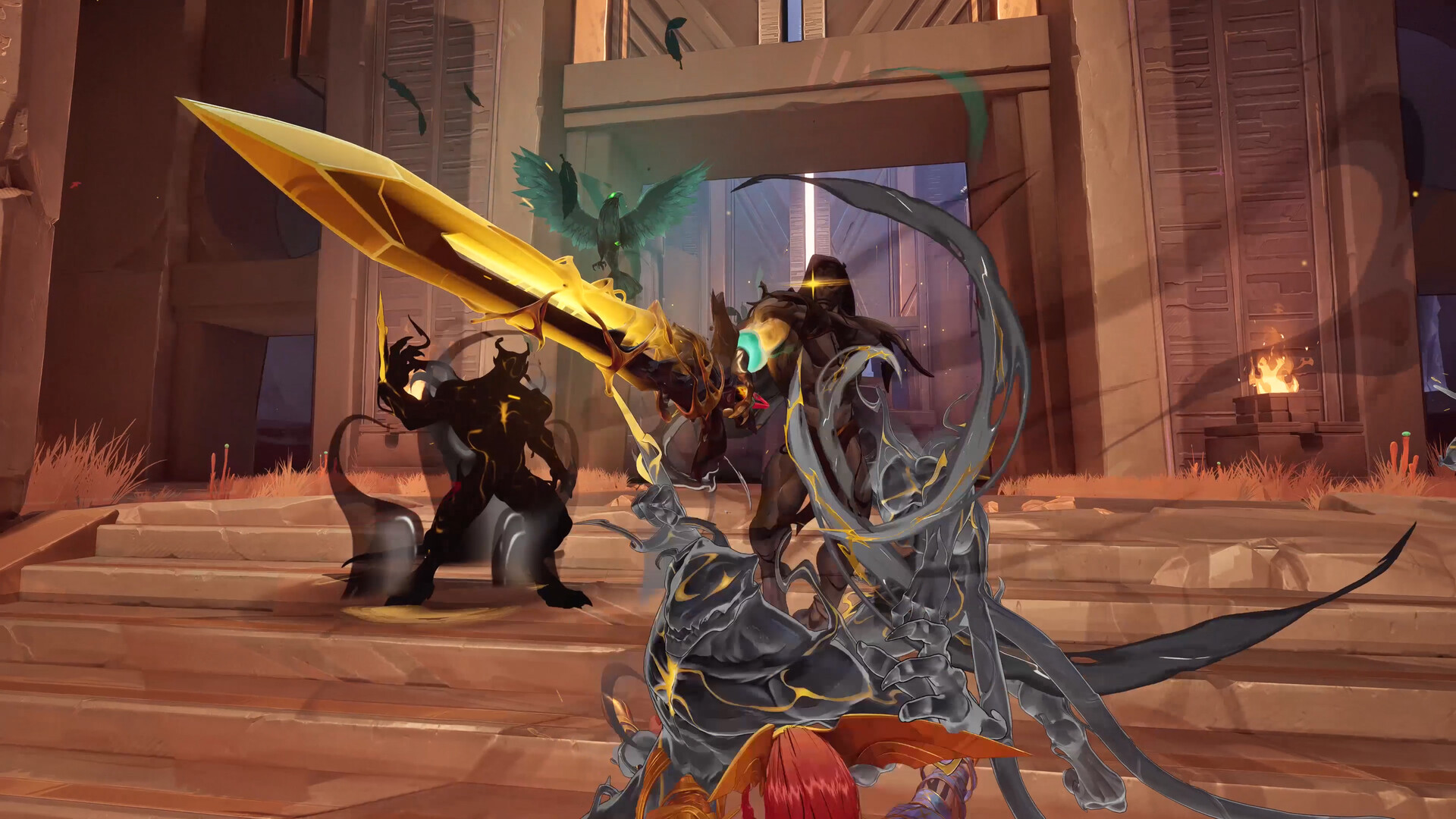
Official game screenshot · NetEase Games. Publisher-provided public store media used to illustrate independent editorial discussion. Copyright remains with the respective rights holders; no redistribution license is offered.
Name the result before activating
Choose a concrete purpose: start a reachable engagement, survive an enemy commitment, deny an important position or finish a fight that still needs help. Different ultimates serve different purposes, and not every hero can accomplish every category. If you cannot explain what will change, wait briefly and inspect the fight. Waiting is not the same as hoarding indefinitely. The aim is to recognize a useful moment early enough for teammates to follow, instead of reacting after the opportunity has already disappeared.
Check whether the fight is still undecided
Look at available teammates, enemy pressure and the objective. If your team already has a comfortable advantage, an ordinary ability may finish the job. If most teammates are defeated with no immediate contest need, one ultimate may be unable to repair the situation. These are not absolute prohibitions: a decisive last contest can justify a low-probability play. The important step is recognizing the state of the fight before spending. Do not let the brightness of the ready indicator replace that judgment.
Create access before using the resource
A strong area effect can accomplish little if opponents safely leave it or your team cannot reach them. Establish a useful angle, wait for a real engagement or coordinate a simple follow-up. If the ability exposes or immobilizes you, consider cover and enemy attention. Practice activation requirements so you do not discover a range or targeting limitation during the critical moment. The preparation is often what makes an ultimate seem powerful; the button press itself is only the final step.
Avoid unnecessary overlap
When several teammates activate major resources at once, some effects may duplicate a job that was already done. Use a simple order when communication permits: one player creates the opening and another follows only if the fight still needs it. Defensive resources also benefit from observation rather than automatic simultaneous reactions. There are moments when overlap is justified by overwhelming pressure, but that should be a conscious response. Preserving one useful ultimate can make the next fight easier even after winning the current one.
Track enemy threats through visible evidence
Notice important enemy ultimates when you see or clearly identify them. Use that information to plan cover, spacing and defensive options in the next engagement. Do not claim exact enemy charge percentages without a reliable current-game source. A practical note is that a specific threat was just used, not that it will definitely be unavailable for a precise duration. Opponent resource knowledge is incomplete. Use it to improve preparation without turning a rough memory into false certainty.
Named resource comparison: Hulk Smash and Hand of Khonshu
The official July 2026 post separately changes the energy costs of Hulk Smash and Moon Knight’s Hand of Khonshu. That historical example shows why one remembered universal charging schedule is unreliable. Read your selected hero’s current ultimate description and define its intended job before the engagement. Record whether the actual use created access, pressure or a needed survival result, as appropriate to the ability. Do not copy the July cost as a permanent current value, and do not infer an enemy’s exact meter from a rough memory of one earlier fight.
Worked example: two defensive ultimates are ready
Imagine your team expects a heavy enemy commitment near a deciding objective. If both defensive players are comfortable communicating, agree that one responds first while the other watches the result and the next threat. When the enemy commits, the second player does not press automatically; they check whether allies remain in danger and whether their effect would add something useful. If the first resource is interrupted or insufficient, the second may be necessary. This is a conditional plan, not a rigid ban on using both.
Recover after a failed ultimate
Do not immediately chase a second mistake to justify the first. Return to an ordinary playable position and help the remaining fight. Later, review why the resource failed: insufficient access, wrong timing, an unobserved defense or an execution problem. Each cause has a different remedy. An aim problem belongs in practice; a timing problem needs a better engagement cue. Simply promising to use the ultimate better next time does not identify an action you can change.
Keep a short resource review
After a session, list two ultimate uses and describe their intended result, actual effect and next adjustment. Avoid judging only by eliminations. An ability that preserves teammates for a deciding capture can be excellent without producing a highlight. Also note how long you held a ready ultimate while waiting for an unrealistic perfect moment. Good management balances patience with opportunity: spend when there is a clear, achievable job and keep enough attention available to recognize the next one.
Your working checklist
Checkmarks stay in this browser when storage is available. They do not alter your game or connect to your account.
Put it into practice
- Read the current ultimate description and practice its targeting or activation requirement. Define the fight result it is suited to create.
- Before using it, check teammate access, objective urgency and whether ordinary resources already decide the fight.
- Coordinate a simple first-use and follow-up plan when several major abilities are ready. Observe whether the second resource is actually necessary.
- After use, return to useful positioning. Review the intended result against the actual effect and change one preparation, timing or execution habit.
Before you finish
- I can state the purpose before activation.
- I know who can follow the effect.
- I distinguish a genuine final contest from an ordinary lost fight.
Common questions
Should I save my ultimate for the final fight?
Not automatically. Earlier useful wins can create progress and better positions. Consider likely remaining opportunities and current objective needs, without pretending to know exact future charge timing for every situation.
Is an ultimate wasted if it gets no eliminations?
No. It may preserve the team, deny space or enable a capture. Judge whether the intended useful result happened. Conversely, eliminations after the round is effectively decided may have little practical value.
How do I avoid holding it forever?
Define an ordinary achievable use in advance, such as protecting a committed team or creating access to the next corner. Waiting for a perfect multi-target highlight often causes you to ignore several realistic winning opportunities.