Marvel Rivals Beginner Roles: Choose a Job You Can Perform
The easiest first hero is the one whose decisions you understand while the objective is moving. Marvel Rivals divides heroes into Vanguard, Duelist and Strategist roles, but every hero within a role has a different kit. This original guide offers a learning sequence rather than a current tier list. The source review is dated October 18, 2026; read your current client for ability effects and any match-specific selection rules.
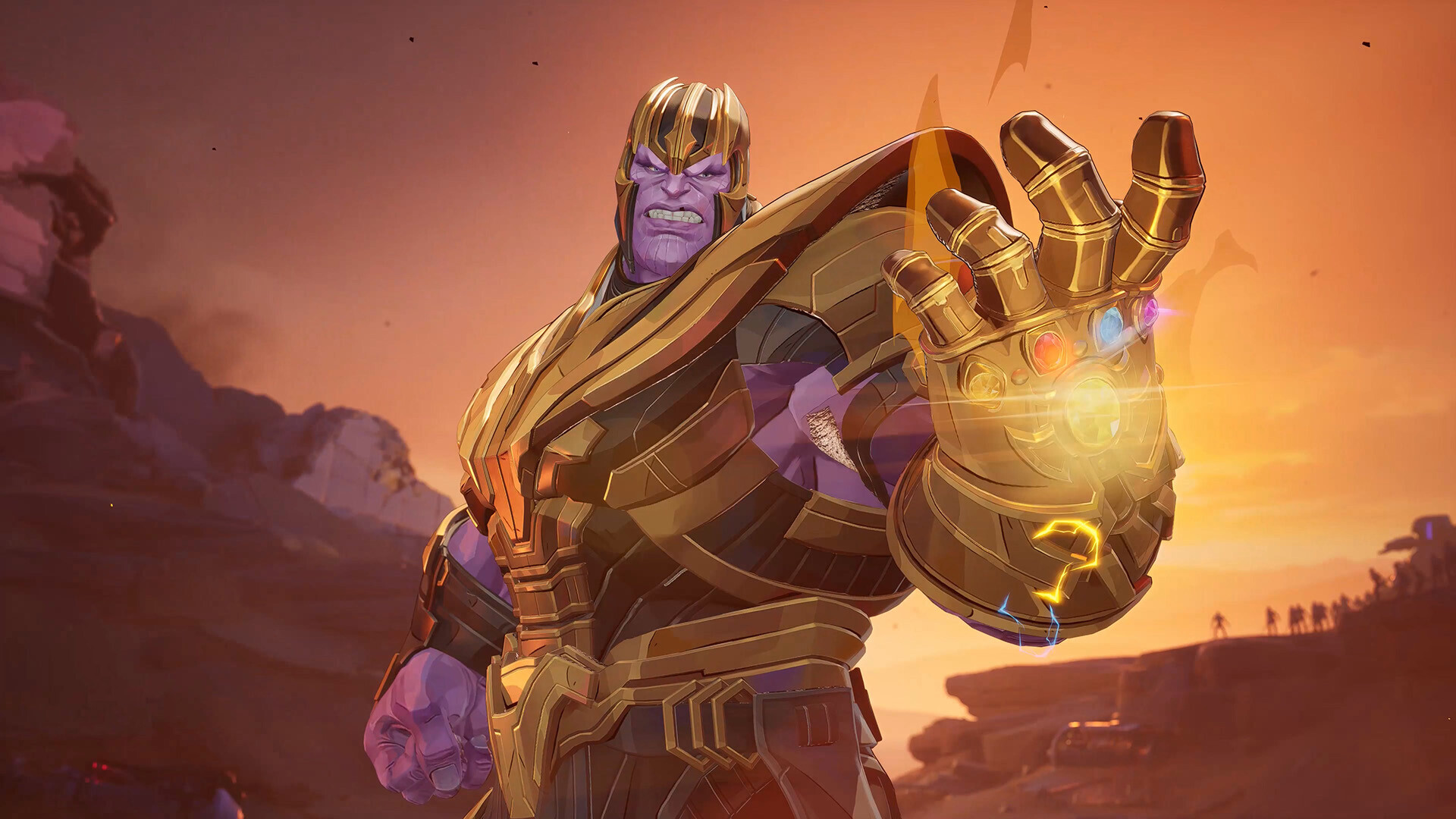
Official game screenshot · NetEase Games. Publisher-provided public store media used to illustrate independent editorial discussion. Copyright remains with the respective rights holders; no redistribution license is offered.
Start with a job, rather than a favorite highlight
Think about the kind of decision you want to make repeatedly. A Vanguard often needs to decide which corner the team can occupy. A Duelist needs to identify a useful damage angle and an achievable target. A Strategist needs to maintain useful access to teammates while contributing pressure and utility. These are starting responsibilities, not restrictions on who can deal damage. Pick the responsibility that seems easiest to notice on screen, then choose a hero whose normal actions help with that responsibility.
Inspect three abilities before entering a match
For each candidate, identify a normal attack, a defensive or movement option and an ability that helps the team. Read what the current ability text actually says. Try it against the appropriate practice targets and watch the cooldown or resource display. Ask whether the attack requires direct aim, a projectile lead, an area placement or proximity. Then deliberately move out of your comfortable range. Understanding when an ability stops being useful matters as much as knowing its best-looking use.
Run a small, repeatable comparison
Choose one hero from each role for a brief practice comparison. Use the same sequence: move from cover, perform the ordinary attack, use one important ability, retreat and repeat. Do not judge the heroes by a single ultimate animation. Instead, notice which kit lets you keep track of enemies and allies without staring at the ability bar. A complicated hero can be enjoyable, but learning movement, objectives and several unusual resource systems at once may hide the cause of your mistakes.
Give the first match one observable goal
A useful goal is staying near a recoverable corner, returning with teammates after a defeat, or keeping the next relevant ally visible. A vague goal such as carry the match gives you no clear action when something goes wrong. During the opening fight, learn where your team gathers and where opponents appear. If you become lost, return toward friendly positions and re-establish an ordinary attack or support angle. Do not use the first match to test every flank and every hero simultaneously.
Use deaths to diagnose the missing skill
After a defeat, identify the last decision that still offered a safe alternative. Were you already too far away for your team to help? Did you spend your only exit ability to enter a fight? Were you looking at one target while another entered your side of the screen? These questions distinguish a role mismatch from a positioning error. Swapping heroes may help with range or mobility, but it cannot repair repeatedly entering fights before teammates are ready.
Named kit exercise: Doctor Strange and The Punisher
For a concrete comparison, inspect Doctor Strange’s Shield of the Seraphim and The Punisher’s Adjudication in the current hero reference. The first gives a clear defensive-resource question: what crossing or threat will the shield help you handle? The second gives a straightforward pressure question: which visible angle can you attack while retaining cover? Practice those ordinary jobs before evaluating ultimate highlights. These named examples illustrate different responsibilities; they are not a current difficulty ranking or a claim that we tested the heroes on your device.
Worked example: a player who keeps getting isolated
Suppose you choose a mobile Duelist because its movement feels exciting, but repeatedly arrive behind opponents before your team has left the corner. Try the same hero with a shorter route: wait for the frontline exchange, take one nearby side angle and retain your exit. If this still feels overwhelming, practice a hero that can contribute from a visible friendly position. The lesson is not that one role is universally easier. It is that your current plan demands more map awareness than you have yet developed.
Build a tiny pool instead of chasing every matchup
Keep a primary hero and one alternative that solves a different problem, such as a different attack range or a less demanding escape route. Learn both well enough to explain their normal fight rhythm. Add another hero only when you can identify a situation your existing pair does not handle. A small, understood pool lets you compare decisions across matches. A large, unfamiliar pool can make every defeat feel like proof that you picked the wrong character.
Review role choice without blaming the team
At the end of a session, write one successful action and one recurring difficulty. Include the context: held a corner while allies recovered is more useful than played tank well. Ask whether your hero supported the team plan and whether you actually performed that job. Do not demand another player switch simply because a preferred composition is missing. Offer a simple plan, use respectful communication and adapt to the teammates you have. Improvement comes from decisions you can repeat yourself.
Your working checklist
Checkmarks stay in this browser when storage is available. They do not alter your game or connect to your account.
Put it into practice
- Read one candidate from each role, then test its normal attack, important cooldown and retreat route in the current practice environment.
- Select the candidate whose ordinary decisions you can explain. Commit to one positioning goal for the opening match instead of changing after every lost fight.
- After each defeat, name the earliest recoverable mistake. Change a route or timing choice before assuming the hero itself caused the problem.
- Keep one alternative hero for a clear range, mobility or team-support need. Review the two heroes over several ordinary matches before expanding the pool.
Before you finish
- I can describe my role in one sentence.
- I know how to stop an engagement and return to cover.
- My comparison uses ordinary fights, not only ultimate highlights.
Common questions
Is Strategist always the easiest beginner role?
No. Keeping several teammates in view while avoiding a flank can be demanding. Test the actual kit and choose a responsibility you can observe clearly. A role label alone does not measure difficulty.
Should I switch whenever I die?
First check positioning, timing and available support. Switch when you can name a problem the alternative hero solves. Otherwise, staying long enough to learn a kit gives you more useful evidence.
Does a good role balance guarantee a win?
No. Range, timing, map access and player comfort all matter. Treat role coverage as a planning aid, then coordinate the next fight rather than expecting the selection screen to do the work.